Top Roofing Contractors
Your Great Falls roof must withstand intense UV, high winds, deep snow, and temperature fluctuations. Metal roofing generally surpasses asphalt in preventing impact, fire, uplift, and weather degradation, plus removes snow more readily. Look for cracked shingles, separated flashing, moisture entry, granule erosion, or sagging areas after storms occur. A local roofing professional will check the decking, underlayment, ventilation, evaluate storm damage, and propose repair or replacement for durability and performance.
Essential Points
- Roofs in Great Falls need to resist harsh UV rays, high winds, deep snow, and temperature swings leading to trigger leaks and material failure.
- Metal roofing stays intact 40–70 years, handles wind, fire, and impact more effectively than asphalt shingles, and moves snow with greater efficiency.
- Asphalt shingles cost less upfront although they deteriorate quickly, showing curling, crack development, and granule loss under Great Falls seasonal patterns.
- Red flags consist of fractured shingles, lifted flashing, valleys showing rust, discolored ceiling, moisture in attic, plus weather damage across several roof slopes.
- Roofing experts in Great Falls complete inspections, leak diagnostics, storm repairs, emergency tarping, and expert metal roof installation featuring correct underlayment and flashing.
How Great Falls Seasonal Patterns Affects Roof Performance
Your roof in Great Falls meets strong sunlight, powerful gusts, hailstorms, substantial snowfall, and temperature shifts creating ongoing strain that decreases functional years. UV exposure parches roof materials, deteriorates seals, and speeds up surface breakdown. Strong wind pushes margins, drives rain beneath weak seams, and weakens flashing materials around roof openings.
Heavy snow adds load, while ice dams trap liquid around the eaves and heighten risk of leaks. Temperature cycling expand minor cracks, open joints, and damage underlayment materials. Ice pellets damage the surface, damage protective films, and leave exposed base materials to moisture entry. You also face microclimate impacts: south-facing slopes warm sooner, shaded regions stay wet longer, and windward areas deteriorate more intensely. Regular inspections assist you catch damage from storms quickly, maintain water drainage and increase longevity throughout severe seasonal changes.
Metal Roofing as an alternative to Shingles in Great Falls
If you evaluate metal roofing against conventional shingles in Great Falls, the selection frequently centers on climate durability, lifespan, maintenance, and lifetime expenses. Metal panels resist damage from elements like impact, fire, and wind more effectively than shingles, and they generally endure 40 to 70 years rather than 15 to 30.
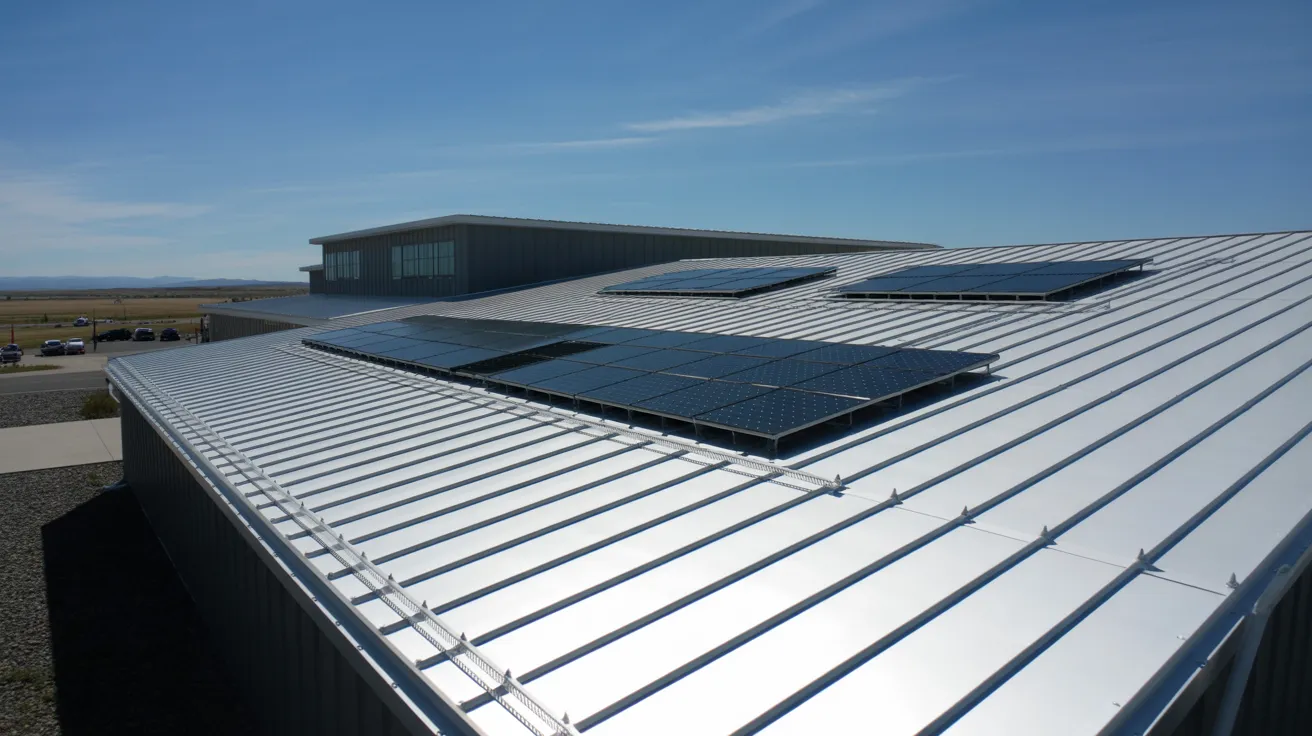
Most often, you'll allocate more upfront for metal systems, yet you may change it less often and conduct fewer maintenance activities. Standard shingles charge less initially and offer straightforward repairs, though they can become curled, crack, or lose granules more swiftly. Metal roofing also facilitates efficient snow shedding, which minimizes accumulation of snow when well-detailed with safety guards. When you're looking at incorporating solar power, metal roofing supplies simpler mounting choices and reduced penetrations. The best selection relies on available funds, anticipated holding period, and how much upkeep you'll accept.
Why Metal Roofing Functions in Montana
Engineered for temperature variations, brisk gusts, hefty snowfall, and intense UV rays, metal roof systems performs capably in Montana's intense weather. Your building get a system that handles heat changes, speedily sheds moisture, and ensures foundation strength throughout freeze-thaw sequences. Interlocking metal plates, veiled hardware, and modern protective coatings reduce wind uplift, metal corrosion, and UV damage
In addition, you gain advantages from easy snow drainage, which decreases snow accumulation on the roof and protects the roof frame. Inasmuch as metal roof materials sends back solar radiation, it can reduce temperature rise in your attic in hot, arid summers. Reduced water intake aid roof reliability when encountering snow and ice. Metal roof lifespan proves vital in Montana, since ongoing climatic pressures can shorten the viability of inferior materials. By implementing proper underlayment, suitable ventilation, and competent installation, the roof system stays sturdy, economical, and reliable for many years ahead demanding virtually no maintenance
Signals You Should Get Roof Repairs
Catching roofing issues in time prevents damage to structure, leaks indoors, and costlier replacements. Watch for damaged shingles, peeled flashing, unprotected fasteners, corrosion in valleys, and damaged sealant by vents, skylights, and chimneys. Throughout the interior, stay aware of ceiling discoloration, waterlogged insulation, mold colonies, or light penetration through decking.
When storms pass, search for collision marks, displaced metal, and granule debris in gutters. Observing granule shedding supports detection of damaged asphalt shingles before moisture breaches the underlying layer. Insufficient ventilation in the attic causes alarm indicators: too much heat, frost formation, water vapor, and shingles curling early. If electric bills rise without reason, dampness and excessive heat might be damaging the roof system.
Request repairs should you notice dipping spots, repeated drips, or unstable metal attachments. Speedy correction shields decking, insulating material, and finished spaces.
Reasons Why Roof Replacement Presents More Sense
You should evaluate roof replacement when storm damage impacts extensive areas, compromises structural components, or surpasses reasonable repair costs. If you're constantly spending for recurring leaks, patch failures, or frequent service calls, replacement generally provides superior long-term savings. An aging roof assembly at or beyond its expected lifespan cannot reliably protect your property effectively, even though isolated repairs can appear feasible.
Extensive Storm Damage
When a major storm damages large sections of your roof, a full replacement typically provides better financial and structural value than multiple repairs. Following hail aftermath, wind uplift, or punctures from fallen branches, you may have compromised decking, saturated underlayment, and widespread shingle failure that repairs can't reliably isolate.
You need a system-level evaluation, not patchwork. Weather damage often damages seal integrity, loosens fasteners, and forms hidden moisture paths near valleys, vents, and flashing. Even after cleanup, standing water may continue degrading sheathing and insulation below the surface. If deterioration affects several slopes or compromises the roof assembly, replacement provides consistent protection, code compliance, and warranty-backed performance. It additionally enables you enhance ventilation, underlayment, and impact-resistant materials so your next severe storm won't compromise the same vulnerable areas again.
Repeated Maintenance Bills
Often, recurring leak repairs, shingle replacements, and flashing fixes accumulate higher costs compared to a scheduled roof replacement. If you're requesting maintenance every season, you're probably caught in spending cycles that deplete your finances without correcting underlying deck, ventilation, or underlayment issues. Minor repairs can restore function briefly, but they seldom deliver system-wide performance.
You should evaluate annual repair totals versus replacement pricing, labor escalation, and material compatibility issues. Repeated fixes also generate warranty gaps, especially when several contractors handle different sections or different product lines. These gaps may leave you paying out of pocket when new failures appear near previous repairs. A complete replacement provides you a single integrated system, consistent installation quality, and a cleaner maintenance schedule. In many cases, that reset lowers long-term roofing costs and reduces service disruptions markedly.
Deteriorating Roof Structures
When roofing assemblies age
Roof replacement provides a better option when assessments reveal decking water intrusion, extensive granule erosion, insulation deterioration, or poor ventilation balance that intensifies thermal stress. Consider additionally code upgrade needs, fastening strength, and material compatibility regarding modern material options. Complete replacement enables correction of concealed defects, enhance water drainage, and install a configuration suitable for contemporary demands. Initial costs are higher, yet emergency service calls decrease, interior water damage minimizes, and overall lifecycle expenses decrease.
How Great Falls Roofers Handle Storm Damage
Severe environmental events may compromise roof systems within short durations, Great Falls roof contractors start restoration efforts with expedited systematic evaluation of shingles, flashing, underlayment, decking, and metal panels to discover open and obscured issues.
After initial storm evaluation, you get a documented scope of deterioration, water penetration, and structural hazard. Roofers perform debris removal first so fallen limbs, ice chunks, and loose objects stop scraping the roof or blocking drainage paths. They cover vulnerable areas, seal punctures, reinstall shifted shingles, refasten flashing, and check fastener integrity on metal areas. Should moisture penetrate decking, they will assess for water saturation, layer separation, and mold risk areas prior to authorizing restoration. You receive photographic evidence and dimensional data that substantiate insurance documentation and help prioritize urgent stabilization over cosmetic fixes.
What Happens During Metal Roof Installation
Starting with tear-off to completed trim, metal roofing installation process maintain required order defending structures and ensuring panel performance. Removal of existing roof commences first, deck evaluation is completed, and problem decking areas get substituted. Slope confirmation, measurement verification, ventilation path assessment, and fastening zone identification follows achieving proper positioning.
Following this, boundary metal parts, ice and water barriers, and backing material options are selected according to local climate, pitch angle, and construction regulations. Sheets begin from a square baseline, with fasteners meeting manufacturer standards. In standing seam setups, seam edges are bound and kept straight managing water management and heat movement. To complete installation, flashing is added, capping and trim pieces are mounted, critical areas are sealed, and completion inspection ensures weather resistance and visual finish.
What Professional Roofing Experts Give
Whether your roof requirements include a basic maintenance or complete replacement, Great Falls roof professionals typically offer assessments, leak detection, storm damage repairs, roof overlay, roof placement, and maintenance programs for commercial and residential buildings.
Further services you can hire them for feature flashing updates, ventilation adjustments, gutter integration, skylight maintenance, and ice dam management. Should wind or hail damage decking materials, they can perform emergency coverage to prevent moisture entry until permanent repairs begin. For mature systems, they assess underlayment condition, fasteners, penetrations, and water drainage, then recommend focused repairs or complete replacement when appropriate. Several companies maintain asphalt shingle systems, metal standing seam, membrane systems, and coating applications. It's possible they document injuries for insurance claims and organize seasonal maintenance to spot sealant deterioration, corrosive damage, loose panels, and clogged valleys prior to these problems diminish your roof lifespan.
How to Select Your Great Falls Roofing Contractor
In selecting a Great Falls roof contractor, you must check that they have appropriate credentials and maintain valid workers' compensation and liability insurance. Subsequently, review the materials they suggest so that you can align performance standards, durability, and expense for your roofing project. Additionally evaluate the experience in the area, as contractors who know Great Falls weather conditions and regulatory requirements generally achieve superior results.
Verify Licensing And Insurance
Earlier than completing a roofing contract in Great Falls, check that roofing contractor possesses the necessary Montana roofing license and maintains both general liability and workers' compensation insurance. Don't rely on verbal claims. Obtain their license details, company name, and insurance information, subsequently conduct license verification through state records and local records. Verify the firm name on each paperwork.
To confirm insurance confirmation, ask that current certificates be provided provided directly by the copyright or insurance agent. Check policy details, effective dates, coverage limits, and exclusion limitations. Check that workers' compensation insurance covers every team member working
Compare roof materials
Given that Great Falls roofs experience hail, strong winds, heavy snow, and dramatic temperature changes, it's essential to assess materials using performance, service life, maintenance demands, and total installed cost—beyond merely the bid price.
Asphalt shingles typically provide the lowest installation cost, though impact resistance ratings, wind coverage warranties, and granule deterioration prove important. Metal carries greater initial expenses, but it sloughs off snow, offers fire resistance, and delivers improved energy efficiency via reflective coatings. Synthetic slate and composite shingles reduce weight loads while enhancing impact durability, although material quality differs. Request manufacturer data regarding Class 4 impact resistance, wind resistance, ice-dam performance, and anticipated longevity. You must also evaluate underlayment, ventilation compatibility, fastener requirements, and repairability. An economical roof may cost significantly more in the future if it fails early or demands frequent storm-related maintenance and replacement.
Examine regional credentials
Material choice matters, and the contractor's regional track record frequently determines roof performance that installation operates in Great Falls. You should check the timeframe a roofer worked in the area and whether they've managed hail impacts, snow loads, chinook winds, and freeze-thaw damage on similar homes. Regional experience reveals if crews know ventilation, ice dam prevention, flashing details, and code requirements specific to Cascade County.
Seek addresses of recent work, then inspect quality from the street level. Review client reviews for tendencies: promptness, jobsite cleaning, warranty handling, and estimate accuracy. You also need to confirm material supplier ties and permit familiarity, since established local contractors procure stock readily and process permits with fewer delays. A roofer who has demonstrated Great Falls experience reduces installation danger and improves long-term roof performance for your property.
Frequently Requested Questions
Do local Roofers Offer Financing plans for replacement roofing?
Yes, many Great Falls contractors offer financing options for roof replacements. You generally can select financing arrangements via the contractor or a third-party lender. Plan for terms determined by project cost, loan length, and your credit profile. Most providers demand credit checks before funding, and many present special offers for qualified applicants. You must compare APR, fees, down payment requirements, and prepayment terms before signing any roof financing contract.
Are roofing estimates in Great Falls typically at no cost?
Yes, roofing estimates in Great Falls are commonly without charge, especially when contractors deliver complimentary inspections for repairs or replacements. You should expect a written estimate that outlines materials, labor, timeline, and cost breakdowns. Some companies may charge for detailed reports, specialty diagnostics, or insurance documentation. Before you schedule, ask what the estimate covers, whether inspections are complimentary, and if added fees apply to complex roof conditions or access.
How long do roofing warranties typically last in Great Falls?
Like a guard for your roof, warranties in Great Falls usually last 20–50 years for Manufacturer warranties, depending on material and product tier. You'll often get Labor warranties for 2–10 years, though some contractors provide longer coverage. You should check what's prorated, transferable, and excluded, especially for wind, ventilation, and installation errors. Review the fine print so you understand exactly what protection you're actually purchasing before signing.
Is roof work able to be scheduled during winter in Great Falls?
Yes, you can plan roof work during winter in Great Falls, but you'll need weather-dependent planning. You can perform Winter repairs with safety when contractors monitor temperature, wind, ice, and equipment handling limits. You should prepare for delays during storms or extreme cold. Removing snow often comes first so crews can reach decking, pinpoint leaks, and attach flashing. You'll experience better results when you arrange early and keep flexible with scheduling windows.
Can Great Falls roofing companies help with insurance paperwork?
Yes, many roofing contractors in Great Falls aid you with insurance forms after storm or impact damage. You'll often receive claims assistance through documented inspections, photographic evidence, scope summaries, and estimate comparisons. They may also assist claim coordination by conferring with adjusters, specifying repair quantities, and corresponding line items to policy coverage. You should still check your claim carefully, because your insurer confirms payment terms, depreciation, deductibles, and final settlement amounts.
Final Thoughts
In Great Falls, your roof structure has to handle wind, snow, hail, and rapid temperature changes without failing down. That's why finding the right roofing professional matters. Metal roofing stands out because it can survive 40–70 years—often twice or thrice longer than traditional asphalt shingles. When you act early on repairs or important guide replacements, you defend your residence, lower long-term costs, and enhance performance. Collaborate with Great Falls roofing specialists who recognize local conditions and place systems designed to survive.